Introduction
When it comes to home maintenance, roof cleaning is often overlooked. Yet, a clean roof can not only enhance your home's aesthetic appeal but also extend the lifespan of your roofing materials. In this comprehensive guide, we will explore the best roof cleaning method, answering common questions like “Is roof cleaning a good idea?” and “What is the best method of roof cleaning?” We’ll dive deep into various Roof Washing techniques, assess their pros and Cape Coral home roof cleaning cons, and provide detailed insights that will help you make an informed decision.
Is Roof Cleaning a Good Idea?
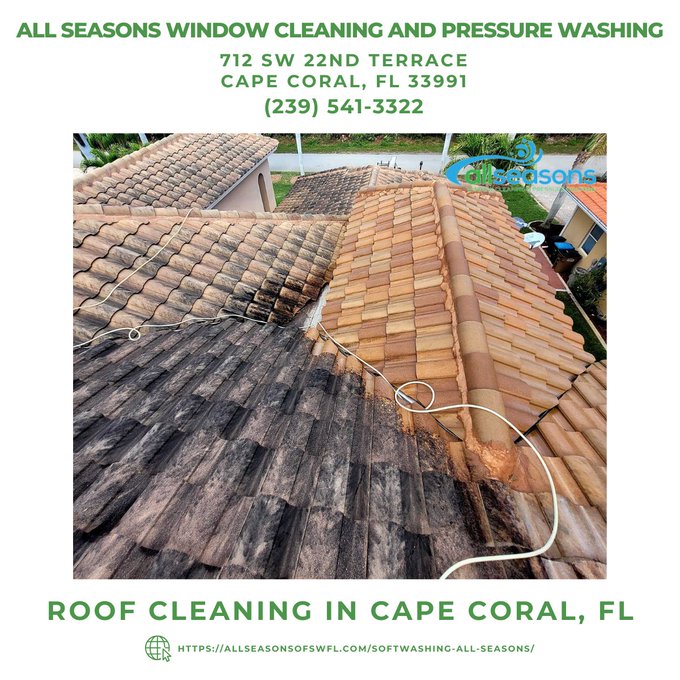
Absolutely! Roof cleaning serves multiple purposes. It removes harmful algae, moss, lichen, and other debris that can lead to damage if left unchecked. Not only does this process improve the appearance of your home, but it also prevents costly repairs down the line.
Benefits of Regular Roof Cleaning
- Increased Lifespan: Regular maintenance can extend the life of your roof by preventing rot and deterioration. Energy Efficiency: A clean roof reflects sunlight better, potentially lowering your cooling costs in warmer months. Curb Appeal: A pristine roof elevates your home's overall look, which can be beneficial if you're considering selling.
What is the Best Method of Roof Cleaning?
The best method for cleaning your roof depends on several factors including the type of roofing material you have and the extent of dirt or algae buildup. Let's break it down.
1. Soft Washing
Soft washing utilizes low-pressure water combined with specialized cleaning solutions to eliminate stains without damaging shingles or tiles.
Why Choose Soft Washing?
- It’s effective against algae and mildew. It doesn’t risk damaging delicate roofing materials.
2. Pressure Washing
Pressure washing employs high-pressure water jetting to remove dirt and debris quickly.
Considerations for Pressure Washing
- While effective for some surfaces, it could strip away protective layers from certain roofing materials.
3. Chemical Treatments
There are specialized chemicals designed for roof cleaning that can tackle tough stains effectively.
Common Chemicals Used
- Sodium hypochlorite Potassium hydroxide
How Often Should Your Roof Be Cleaned?
Determining how frequently you should clean your roof depends on several factors:
Factors Influencing Cleaning Frequency
- Climate: Humid climates promote mold growth; thus more frequent cleanings are needed. Surroundings: If you have overhanging trees, you may need to clean more often due to falling leaves and branches.
Generally speaking, most homeowners should aim to clean their roofs every 1 to 3 years.
Is Pressure Washing Your Roof a Good Idea?
While pressure washing can seem like a quick solution for dirty roofs, it’s not always advisable. Here’s why:
Pros and Cons of Pressure Washing
| Pros | Cons | |----------------------------|-------------------------------| | Quick results | Can damage shingles | | Effective for hard surfaces | May void warranties | | Removes heavy debris | Requires professional skill |
In many cases, soft washing is recommended over pressure washing due to its gentler approach.
Can I Clean My Roof Myself?
Many homeowners wonder about DIY roof cleaning. Yes, you can clean your own roof; however, there are risks involved:
Safety Tips for DIY Roof Cleaning
Use safety gear (harnesses and non-slip shoes). Avoid walking on steep roofs unless experienced. Consider hiring professionals if you're unsure.How Much Does It Cost to Coat a Roof?
Roof coating costs vary based on factors such as size and material type. On average:
Cost Breakdown
- Flat roofs: $1 - $4 per square foot Pitched roofs: $2 - $5 per square foot
The investment in coating may save money in repairs over time by protecting against wear and tear.
What is Roof Cleaning Called?
Roof cleaning is often referred to as "roof maintenance" or "roof restoration." These terms encompass various methods aimed at prolonging the life of roofing systems while maintaining their appearance.
Can I Walk on My Roof to Clean It?
While it's possible to walk on your roof for cleaning purposes, caution is paramount:
Guidelines for Walking on Your Roof
- Only walk on sections deemed stable. Avoid wet surfaces as they become slippery.
If uncertain about stability or safety conditions, consider hiring professionals instead.
How to Make Your Roof Look New?
To rejuvenate an aging or dirty-looking roof:
Steps You Can Take
Perform regular cleanings using soft washing techniques. Apply protective coatings after cleaning. Ensure gutters are clear to prevent water buildup.These steps will significantly enhance curb appeal!
What Happens if You Don't Clean Your Roof?
Neglecting regular maintenance could lead to severe consequences including:
Consequences of Neglect
- Mold growth leading to health issues Premature degradation of roofing materials Expensive repairs or complete replacements
Regular maintenance isn’t just important; it’s essential!
What is Soft Wash Roof Cleaning?
Soft wash roof cleaning involves using low-pressure equipment along with specialized detergents designed specifically for roofs:
Benefits of Soft Wash
- Protects delicate shingles from damage Effectively removes dirt without harsh scrubbing
This method has gained popularity as a safer alternative to traditional pressure washing.
Does Roof Cleaning Extend the Life of a Roof?
Yes! Regularly maintained roofs last longer due to reduced wear from environmental factors such as moss growth or algae buildup that trap moisture against shingles.
How Often Should I Clean My Roof?
Most experts recommend every 1–3 years depending on environmental conditions in your area.
How Long Does It Take to Clean a Roof?
Cleaning times vary based on size and method used:
Typical Time Estimates
| Method | Time Required | |-----------------|---------------| | Soft Washing | 2–4 hours | | Pressure Washing | 1–3 hours |
Pro professionals usually complete jobs more efficiently than DIY efforts due to experience!
Does Roof Coating Work?
Yes! Applying a quality coating protects against UV rays while sealing any small leaks present already:
Advantages of Coating:
Reflects heat reducing energy bills! Prolongs life expectancy by protecting against elements!Investing in proper coatings pays off long-term!
FAQs about Roofing Maintenance
Q1: What chemical is used to clean roofs?
A: Commonly used chemicals include sodium hypochlorite and potassium hydroxide which effectively combat stains without harming shingles when applied correctly.
Q2: Is steam cleaning a roof safe?
A: Steam cleaning can be safe if done properly but may not be suitable for all roofing types due its potential high temperatures causing damage; consult an expert before proceeding!
Q3: How long does it take for roof cleaner to work?
Q4: Should you rinse a roof after washing?
A: Yes! Rinsing helps remove remaining chemicals preventing potential buildup causing further issues later down road ensuring long-lasting cleanliness achieved during initial wash phase!
Q5: How long is a roof supposed to last?
A: Depending upon material used & maintenance performed during lifespan average residential rooftops last anywhere between 20 – 50 years with proper care taken throughout lifetime cycle!
Q6: How do professionals clean roofs?
A: Professionals typically use either soft wash systems featuring low-pressure spraying techniques combined with specialized detergents OR high-powered pressure washers depending upon severity condition requiring attention during service call itself!
Conclusion
Choosing the right method for maintaining your roof is crucial in ensuring its longevity and effectiveness at protecting your home from external elements. The best practices discussed here will help you keep your rooftop looking pristine while extending its lifespan significantly through regular upkeep measures taken accordingly! Remember—whether opting out DIY routes versus hiring pros—maintaining cleanliness shouldn’t be overlooked since consequences could prove costly otherwise down road later down line altogether!
For any homeowner looking into these matters further still—don’t hesitate reaching out seeking advice tailored specifically towards individual needs regarding personal properties today!