In the area of strain washing, a debate has long endured: should still you utilize heated water or cooled water for optimal cleaning results? This question is pivotal for professionals and DIY enthusiasts alike. Whether you are tackling troublesome grease stains on a commercial construction or basically polishing up your property’s deck, information the consequences of by way of heated versus cooled water can enormously impression your final result. Let's dive deep into this subject, exploring each point in aspect that can assist you make an counseled choice.
Heated Versus Cooled Water Results In Professional Applications
When it comes to rigidity washing, heated and cooled water serves numerous applications. The integral big difference lies in their potential to dissolve grime, grease, and other stubborn substances. Here’s a breakdown of how each and every method performs in lots of packages:
What is Pressure Washing?
Pressure washing is a cleansing technique that makes use of prime-pressure water spray to cast off dust, filth, mould, mildew, and different undesirable ingredients from surfaces. The crucial purpose is to repair surfaces to their authentic state or put together them for portray or sealing.
The Importance of Temperature in Pressure Washing
Temperature plays a relevant function inside the cleaning process. Heated water can holiday down organic and natural material extra properly than cooled water simply by its improved kinetic energy. The upper temperature enables for speedier chemical reactions whilst mixed with detergents.
Benefits of Heated Water in Professional Applications
Enhanced Cleaning Power- Hot water penetrates more effective into porous surfaces. It dissolves oils and fats extra comfortably.
- Higher temperatures can shrink the quantity of detergent essential.
- Hotter surfaces dry speedier after cleansing, which is worthy for firms wanting instant turnaround occasions.
- Less time spent on scrubbing method upper productiveness costs.
- Suitable for diversified purposes like kitchens, garages, and outdoor areas.
Applications Best Suited for Heated Water
- Commercial kitchens Industrial machinery Concrete surfaces Vehicles and fleet cleaning
Drawbacks of Heated Water
While heated water offers lots of blessings, there also are conceivable drawbacks:
Higher Energy Costs- Heating the water calls for extra vigour in contrast to the use of chilly water.
- Some components could warp or become worse lower than critical warmth.
- Higher temperatures pose negative aspects if not dealt with exact.
Benefits of Cooled Water in Professional Applications
On the turn area, cooled (or cold) water also has its advantages:
Cost-Effective
- Lower power consumption translates to diminished working bills.
- Less chance of adverse mushy materials like wooden or yes different types of siding.
- Cold-water force washers are more commonly less demanding and simpler to maintain.
- Cold-water programs most commonly use fewer chemical compounds via their scale back environmental have an impact on.
Applications Best Suited for Cooled Water
- Residential homes Soft wash applications Light-obligation cleansing tasks
Drawbacks of Cooled Water
While cooled water is robust in lots of situations, it does have barriers:
Less Effective on Heavy Stains- Cold water struggles with grease and oil stains in contrast to sizzling water.
- More time might be required whilst by way of bloodless water on my own.
FAQs About Heated Versus Cooled Water Results In Professional Applications
1. What PSI need to I use for rigidity washing?
Answer: Typically, a PSI (Pounds in step with Square Inch) between 1500 and 3000 is right for most residential cleaning projects; but it surely, heavier jobs may possibly require as much as 4000 PSI.
2. What is the top factor to wear whilst drive washing?
Answer: It's advisable to put on long sleeves, gloves, eye safety (goggles), and robust shoes that give slip resistance while stress washing.
3. What should still I spray on a deck ahead of rigidity washing?
Answer: A mix of deck cleaner or a really good pre-wash answer helps loosen filth and dirt earlier than power washing your deck.
four. Should I use cleaning soap when tension washing?
Answer: Yes! Using cleaning affordable pressure washing service soap complements cleaning pressure by using breaking down filth and oils extra appropriately than plain water alone.
5. What is the splendid fabric for force washing appliance?
Answer: Stainless steel ingredients are popular with the aid of their toughness and resistance against corrosion; furthermore, bolstered hoses ascertain durability underneath high-rigidity circumstances.
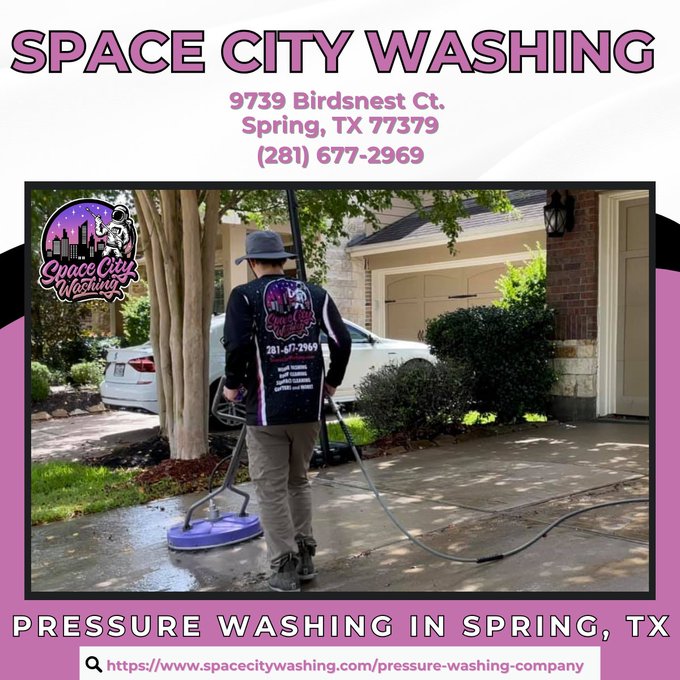
6. Is warm water more effective for power washing?
Answer: Generally talking, certain—scorching water has a tendency to operate greater on robust stains like grease in contrast to chilly water; nevertheless, it is dependent on the detailed activity to hand.
Conclusion: Making an Informed Choice
Choosing among heated versus cooled water in expert programs essentially relies upon for your definite cleansing needs and ambitions as well as payment considerations and safeguard measures concerned with dealing with the two different types of system safely.
Ultimately, realizing how temperature impacts your cleansing will enable you now not simply to reach most beneficial results but additionally fortify potency while holding operational prices conceivable!
When deciding even if heated as opposed to cooled water works the best option on your initiatives—no matter if you're operating out of Spring TX or at any place else—give some thought to motives along with surface drapery type being cleaned along budgetary constraints connected at once with power charges related to heating facets applied inside of tension-washing setups!
This comprehensive instruction manual targets at equipping you with Pressure Washing all worthwhile potential with regards to "Heated Versus Cooled Water Results In Professional Applications." Always prefer accurately stylish on cases surrounding each one task undertaken!